Changer le code de test

Changer le code de test
Changer le code de test
Changer le code de test
Loading...

C’est parti !

Ignorer
Votre résultat est :
Nous avons plus d’informations à vous montrer…
Ignorer
Êtes-vous sûr ?
Étape 1 de 5
Quel est votre pays d’origine ?
Sélectionnez

Afghanistan
Afrique du Sud
Albanie
Algérie
Allemagne
Andorre
Angola
Anguilla
Antarctique
Antigua-et-Barbuda
Antilles néerlandaises
Arabie saoudite
Argentine
Arménie
Aruba
Australie
Autriche
Azerbaïdjan
Bahamas
Bahreïn
Bangladesh
Barbade
Belgique
Belize
Bénin
Bermudes
Bhoutan
Biélorussie
Bolivie
Bosnie-Herzégovine
Botswana
Brésil
Brunéi Darussalam
Bulgarie
Burkina Faso
Burundi
Cambodge
Cameroun
Canada
Cap-Vert
Chili
Chine
Chine, région administrative spéciale de Macao
Chypre
Colombie
Comores
Congo
Costa Rica
Côte d’Ivoire
Croatie
Cuba
Curaçao
Danemark
Djibouti
Dominique
Égypte
El Salvador
Émirats arabes unis
Équateur
Érythrée
Espagne
Estonie
Eswatini
États-Unis d’Amérique
Éthiopie
Fédération de Russie
Fidji
Finlande
France
Gabon
Gambie
Géorgie
Ghana
Gibraltar
Grèce
Grenade
Groenland
Guam
Guatemala
Guinée
Guinée équatoriale
Guinée-Bissau
Guyana
Haïti
Honduras
Hong Kong
Hongrie
Île Christmas
Île de Man
Îles Caïmans
Îles Cook
Îles des Cocos (Keeling)
Îles Falkland (Malvinas)
Îles Féroé
Îles Mariannes du Nord
Îles Marshall
Îles Salomon
Îles Turks-et-Caicos
Îles Vierges américaines
Îles Vierges britanniques
Îles Wallis-et-Futuna
Inde
Indonésie
Iran (République islamique d’)
Iraq
Irlande
Islande
Israël
Italie
Jamaïque
Japon
Jordanie
Kazakhstan
Kenya
Kirghizstan
Kiribati
Kosovo
Koweït
Lesotho
Lettonie
Liban
Liberia
Libye
Liechtenstein
Lituanie
Luxembourg
Macédoine du Nord
Madagascar
Malaisie
Malawi
Maldives
Mali
Malte
Maroc
Maurice
Mauritanie
Mayotte
Mexique
Micronésie (États fédérés de)
Monaco
Mongolie
Monténégro
Montserrat
Mozambique
Myanmar
Namibie
Nauru
Népal
Nicaragua
Niger
Nigéria
Nioué
Norvège
Nouvelle-Calédonie
Nouvelle-Zélande
Oman
Ouganda
Ouzbékistan
Pakistan
Palaos
Panama
Papouasie - Nouvelle-Guinée
Paraguay
Pays-Bas
Pérou
Philippines
Pitcairn
Pologne
Polynésie française
Porto Rico
Portugal
Qatar
République arabe syrienne
République centrafricaine
République de Corée
République de Moldavie
République démocratique du Congo
République dominicaine
République-Unie de Tanzanie
Roumanie
Royaume-Uni
Rwanda
Saint-Kitts-et-Nevis
Saint-Marin
Saint-Pierre-et-Miquelon
Saint-Siège
Saint-Vincent-et-les Grenadines
Sainte-Hélène
Sainte-Lucie
Samoa
Samoa américaines
Sao Tomé-et-Principe
Sénégal
Serbie
Seychelles
Sierra Leone
Singapour
Slovaquie
Slovénie
Somalie
Soudan
Sri Lanka
Suède
Suisse
Suriname
Tadjikistan
Taïwan
Tchad
Tchéquie
Thaïlande
Timor-Leste
Togo
Tokélaou
Tonga
Trinité-et-Tobago
Tunisie
Turkménistan
Turquie
Tuvalu
Ukraine
Uruguay
Vanuatu
Venezuela (République bolivarienne du)
Viet Nam
Yémen
Zambie
Zimbabwe
Retour
Suivant 
Étape 2 de 5
Veuillez sélectionner votre âge, votre poids & votre taille
 Veuillez noter que pour obtenir des résultats précis, il est important que vous indiquiez correctement votre âge. Les enfants ont des références différentes de celles des adultes.Retour
Suivant
Étape 3 de 5
Veuillez sélectionner votre sexe
Femme
Homme
Autre
Retour
Suivant
Étape 3 a de 7
Êtes-vous actuellement enceinte ou en période d’allaitement exclusif ?
Non
Oui, enceinte
Oui, allaitement exclusif
Préfère ne pas répondre
 Retour
Suivant 
Étape 3 b de 7
À quel mois de grossesse en êtes-vous ?
Entre 1 et 3 mois
Entre 4 et 6 mois
Entre 7 et 9 mois
Retour
Suivant
Étape 4 de 5
Avez-vous récemment consommé des compléments Oméga-3 ?
Non
Oui, depuis peu
Oui, depuis plus de 120 jours
Retour
Suivant
Étape 5 de 7
Quelle option décrit le mieux votre régime alimentaire ?
Retour
Suivant
Étape 6 de 8
Join Our Groundbreaking Test-Based Nutrition Study!
Yes, I consent
No, I do not consent
Retour
Suivant
Étape 5a de 8
Thank you for your interest and for playing a vital role in advancing nutrition research!
Have you been taking Xtend or Xtend+, according to the recommended dose (at least 2 tablets per day), for at least the past 2 weeks?
Yes
No
Retour
Suivant
Étape 5b de 8
Have you been taking Zinobiotic+ according to the recommended dosage (2 scoops per day) for at least the past 2 weeks?
Yes
No
Retour
Suivant
Étape 5C de 8
How would you describe your BalanceOil+ consumption over the past 120 days?
I take the recommended amount (0.15 ml per kg of body weight) or more, 5-7 days a week
I take less than the recommended amount, or take it less frequently than 5 days a week
I don’t take BalanceOil+
Retour
Suivant
Étape 5D de 8
Over the next 30 days, do you plan to maintain the same consumption pattern for your Zinzino Health Protocol products as you reported above? (For example, if you currently do not use a product, select 'Yes' if you plan to continue not using it.)"
Yes, I will continue as reported.
No, I plan to change my current pattern.
Unsure
Retour
Suivant
Étape 5E de 8
Have you taken antibiotics in the past month?
Yes
No
Retour
Suivant
Étape 5F de 8
Have you taken laxatives in the past month?
Yes
No
Retour
Suivant
Étape 5G de 8
Please provide your email and address below so we can contact you and send out test-kits if you are selected for the study.
Retour
Suivant
Étape 5 de 5
Propriété et utilisation des données de test anonymes
Étape 4a de 5
Quel type de complément Oméga-3 ?
BalanceOil+ Vegan
BalanceOil+ Premium
BalanceOil+ AquaX
BalanceOil+
Essent+ (capsules softgels)
Autres compléments Oméga-3
Retour
Suivant
C’est parti !
Ignorer
 Pas du tout. Tous les échantillons de sang sont traités de manière anonyme par un tiers de confiance et dans la plus stricte confidentialité. Votre réponse est utilisée à des fins statistiques uniquement, afin d'aider nos scientifiques à mieux comprendre le rôle de l'alimentation et du mode de vie dans le cadre du développement de nos produits.
Êtes-vous sûr ?
Étape 1 de 6
Quel est votre pays d’origine ?
Sélectionnez

Afghanistan
Afrique du Sud
Albanie
Algérie
Allemagne
Andorre
Angola
Anguilla
Antarctique
Antigua-et-Barbuda
Antilles néerlandaises
Arabie saoudite
Argentine
Arménie
Aruba
Australie
Autriche
Azerbaïdjan
Bahamas
Bahreïn
Bangladesh
Barbade
Belgique
Belize
Bénin
Bermudes
Bhoutan
Biélorussie
Bolivie
Bosnie-Herzégovine
Botswana
Brésil
Brunéi Darussalam
Bulgarie
Burkina Faso
Burundi
Cambodge
Cameroun
Canada
Cap-Vert
Chili
Chine
Chine, région administrative spéciale de Macao
Chypre
Colombie
Comores
Congo
Costa Rica
Côte d’Ivoire
Croatie
Cuba
Curaçao
Danemark
Djibouti
Dominique
Égypte
El Salvador
Émirats arabes unis
Équateur
Érythrée
Espagne
Estonie
Eswatini
États-Unis d’Amérique
Éthiopie
Fédération de Russie
Fidji
Finlande
France
Gabon
Gambie
Géorgie
Ghana
Gibraltar
Grèce
Grenade
Groenland
Guam
Guatemala
Guinée
Guinée équatoriale
Guinée-Bissau
Guyana
Haïti
Honduras
Hong Kong
Hongrie
Île Christmas
Île de Man
Îles Caïmans
Îles Cook
Îles des Cocos (Keeling)
Îles Falkland (Malvinas)
Îles Féroé
Îles Mariannes du Nord
Îles Marshall
Îles Salomon
Îles Turks-et-Caicos
Îles Vierges américaines
Îles Vierges britanniques
Îles Wallis-et-Futuna
Inde
Indonésie
Iran (République islamique d’)
Iraq
Irlande
Islande
Israël
Italie
Jamaïque
Japon
Jordanie
Kazakhstan
Kenya
Kirghizstan
Kiribati
Kosovo
Koweït
Lesotho
Lettonie
Liban
Liberia
Libye
Liechtenstein
Lituanie
Luxembourg
Macédoine du Nord
Madagascar
Malaisie
Malawi
Maldives
Mali
Malte
Maroc
Maurice
Mauritanie
Mayotte
Mexique
Micronésie (États fédérés de)
Monaco
Mongolie
Monténégro
Montserrat
Mozambique
Myanmar
Namibie
Nauru
Népal
Nicaragua
Niger
Nigéria
Nioué
Norvège
Nouvelle-Calédonie
Nouvelle-Zélande
Oman
Ouganda
Ouzbékistan
Pakistan
Palaos
Panama
Papouasie - Nouvelle-Guinée
Paraguay
Pays-Bas
Pérou
Philippines
Pitcairn
Pologne
Polynésie française
Porto Rico
Portugal
Qatar
République arabe syrienne
République centrafricaine
République de Corée
République de Moldavie
République démocratique du Congo
République dominicaine
République-Unie de Tanzanie
Roumanie
Royaume-Uni
Rwanda
Saint-Kitts-et-Nevis
Saint-Marin
Saint-Pierre-et-Miquelon
Saint-Siège
Saint-Vincent-et-les Grenadines
Sainte-Hélène
Sainte-Lucie
Samoa
Samoa américaines
Sao Tomé-et-Principe
Sénégal
Serbie
Seychelles
Sierra Leone
Singapour
Slovaquie
Slovénie
Somalie
Soudan
Sri Lanka
Suède
Suisse
Suriname
Tadjikistan
Taïwan
Tchad
Tchéquie
Thaïlande
Timor-Leste
Togo
Tokélaou
Tonga
Trinité-et-Tobago
Tunisie
Turkménistan
Turquie
Tuvalu
Ukraine
Uruguay
Vanuatu
Venezuela (République bolivarienne du)
Viet Nam
Yémen
Zambie
Zimbabwe
Retour
Suivant
Étape 2 de 6
Veuillez sélectionner votre âge, votre poids & votre taille
Veuillez noter que pour obtenir des résultats précis, il est important que vous indiquiez correctement votre âge. Les enfants ont des références différentes de celles des adultes.Retour
Suivant
Étape 3 de 6
Veuillez sélectionner votre sexe
Femme
Homme
Autre
Retour
Suivant
Étape 3 a de 6
Êtes-vous actuellement enceinte ou en période d’allaitement exclusif ?
Non
Oui, enceinte
Oui, allaitement exclusif
Préfère ne pas répondre
Retour
Suivant
Étape 3 b de 6
À quel mois de grossesse en êtes-vous ?
Entre 1 et 3 mois
Entre 4 et 6 mois
Entre 7 et 9 mois
Retour
Suivant
Étape 4 de 6
Avez-vous récemment consommé des compléments Oméga-3 ?
Non
Oui, depuis peu
Oui, depuis plus de 120 jours
Retour
Suivant
Étape 5 de 6
Quelle option décrit le mieux votre régime alimentaire ?
Retour
Suivant
Étape 6 de 6
Join Our Groundbreaking Test-Based Nutrition Study!
Yes, I consent
No, I do not consent
Retour
Suivant
Étape 5a de 6
Thank you for your interest and for playing a vital role in advancing nutrition research!
Have you been taking Xtend or Xtend+, according to the recommended dose (at least 2 tablets per day), for at least the past 2 weeks?
Yes
No
Retour
Suivant
Étape 5b de 6
Have you been taking Zinobiotic+ according to the recommended dosage (2 scoops per day) for at least the past 2 weeks?
Yes
No
Retour
Suivant
Étape 5C de 6
How would you describe your BalanceOil+ consumption over the past 120 days?
I take the recommended amount (0.15 ml per kg of body weight) or more, 5-7 days a week
I take less than the recommended amount, or take it less frequently than 5 days a week
I don’t take BalanceOil+
Retour
Suivant
Étape 5D de 6
Over the next 30 days, do you plan to maintain the same consumption pattern for your Zinzino Health Protocol products as you reported above? (For example, if you currently do not use a product, select 'Yes' if you plan to continue not using it.)"
Yes, I will continue as reported.
No, I plan to change my current pattern.
Unsure
Retour
Suivant
Étape 5E de 6
Have you taken antibiotics in the past month?
Yes
No
Retour
Suivant
Étape 5F de 6
Have you taken laxatives in the past month?
Yes
No
Retour
Suivant
Étape 5G de 6
Please provide your email and address below so we can contact you and send out test-kits if you are selected for the study.
Retour
Suivant
Étape 6 de 6
Souhaitez-vous être averti lorsque vos résultats de test seront disponibles ?
Retour
Suivant
Étape 7 de 6
Propriété et utilisation des données de test anonymes
Étape 6b de 6
Activer les notifications
Ignorer
+ Ajouter
Numéro de téléphone portable
+ Ajouter
Retour
Suivant
Étape 4 a de 6
Quel type de complément Oméga-3 ?
BalanceOil+ Vegan
BalanceOil+ Premium
BalanceOil+ AquaX
BalanceOil+
Essent+ (capsules softgels)
Autres compléments Oméga-3
Retour
Suivant
Les résultats de votre test ne sont pas encore prêts
Merci pour vos réponses !
Nous sommes vraiment désolés!
Votre formulaire a déjà été envoyé.
Si vous avez d’autres questions, veuillez contacter l’Assistance client
Customer support
Votre échantillon contenait trop peu de sang
Votre échantillon ne se trouvait pas dans l’enveloppe
C’est parti !
Ignorer
Pas du tout ! Si vous préférez ne pas répondre aux questions avant d’obtenir votre statut de vitamine D, vous pouvez ignorer cette étape.
Êtes-vous sûr ?
Étape 1 de 7
Quel est votre pays d’origine ?
Sélectionnez
Afghanistan
Albania
Algeria
American Samoa
Andorra
Angola
Anguilla
Antarctica
Antigua And Barbuda
Argentina
Armenia
Aruba
Australia
Austria
Azerbaijan
Bahamas
Bahrain
Bangladesh
Barbados
Belarus
Belgium
Belize
Benin
Bermuda
Bhutan
Bolivia
Bosnia And Herzegovina
Botswana
Brazil
Brunei Darussalam
Bulgaria
Burkina Faso
Burundi
Cambodia
Cameroon
Canada
Cape Verde
Cayman Islands
Central African Republic
Chad
Chile
China
Christmas Island
Cocos (Keeling) Islands
Colombia
Comoros
Congo
Congo, The Democratic Republic Of The
Cook Islands
Costa Rica
Croatia
Cuba
Curaçao
Cyprus
Czech Republic
Denmark
Djibouti
Dominica
Dominican Republic
Ecuador
Egypt
El Salvador
Equatorial Guinea
Eritrea
Estonia
Ethiopia
Falkland Islands (Malvinas)
Faroe Islands
Fiji
Finland
France
French Polynesia
Gabon
Gambia
Georgia
Germany
Ghana
Gibraltar
Greece
Greenland
Grenada
Guam
Guatemala
Guinea
Guinea-Bissau
Guyana
Haiti
Holy See (Vatican City State)
Honduras
Hong Kong
Hungary
Iceland
India
Indonesia
Iran, Islamic Republic Of
Iraq
Ireland
Isle of Man
Israel
Italy
Ivory Coast
Jamaica
Japan
Jordan
Kazakhstan
Kenya
Kiribati
Korea, Republic Of
Kosovo
Kuwait
Kyrgyzstan
Latvia
Lebanon
Lesotho
Liberia
Libyan Arab Jamahiriya
Liechtenstein
Lithuania
Luxembourg
Macao
Macedonia, The Former Yugoslav Republic Of
Madagascar
Malawi
Malaysia
Maldives
Mali
Malta
Marshall Islands
Mauritania
Mauritius
Mayotte
Mexico
Micronesia, Federated States Of
Moldova, Republic Of
Monaco
Mongolia
Montenegro
Montserrat
Morocco
Mozambique
Myanmar
Namibia
Nauru
Nepal
Netherlands
Netherlands Antilles
New Caledonia
New Zealand
Nicaragua
Niger
Nigeria
Niue
Northern Mariana Islands
Norway
Oman
Pakistan
Palau
Panama
Papua New Guinea
Paraguay
Peru
Philippines
Pitcairn
Poland
Portugal
Puerto Rico
Qatar
Romania
Russian Federation
Rwanda
Saint Helena
Saint Kitts And Nevis
Saint Lucia
Saint Pierre And Miquelon
Saint Vincent And The Grenadines
Samoa
San Marino
Sao Tome And Principe
Saudi Arabia
Senegal
Serbia
Seychelles
Sierra Leone
Singapore
Slovakia
Slovenia
Solomon Islands
Somalia
South Africa
Spain
Sri Lanka
Sudan
Suriname
Swaziland
Sweden
Switzerland
Syrian Arab Republic
Taiwan
Tajikistan
Tanzania, United Republic Of
Thailand
Timor-Leste
Togo
Tokelau
Tonga
Trinidad And Tobago
Tunisia
Turkey
Turkmenistan
Turks And Caicos Islands
Tuvalu
Uganda
Ukraine
United Arab Emirates
United Kingdom
United States
Uruguay
Uzbekistan
Vanuatu
Venezuela
Viet Nam
Virgin Islands, British
Virgin Islands, U.S.
Wallis And Futuna
Yemen
Zambia
Zimbabwe
Retour
Suivant
Étape 2 de 7
Veuillez sélectionner votre âge, votre poids & votre taille
Retour
Suivant
Étape 3 de 7
Veuillez sélectionner votre sexe
Femme
Homme
Autre
Retour
Suivant
Étape 4 de 7
Avez-vous consommé récemment des compléments contenant de la vitamine D ?
Oui
Non
Retour
Suivant
Étape 5 de 7
Quelle option décrit le mieux votre régime alimentaire ?
Retour
Suivant
Étape 6 de 7
Avez-vous déjà fait un Vitamin D Test Zinzino auparavant ?
Oui
Non
Retour
Suivant
Nous sollicitons votre aide
Oui, je souhaite participer
Non merci
Retour
Suivant
Étape 6 de 7
Souhaitez-vous être averti lorsque vos résultats de test seront disponibles ?
Retour
Suivant
Étape 1 de 3
Veuillez entrer votre précédant identifiant pour le Vitamin D Test
Le code n’est pas correct, veuillez réessayer.
nmol/L
Date:
Pays:
Sexe:
Retour
Suivant
Étape 2 de 3
Indiquez si vous avez modifié la dose journalière depuis votre dernier test.
Indiquez l’augmentation ou la diminution de votre supplémentation en vitamine D.
ZinoShine+ (Comprimé(s))
-
+
Xtend/Xtend+ (Comprimé(s))
-
+
BalanceOil+/Vegan/AquaX (ml)
-
+
Protect+ (Capsule(s))
-
+
Essent+ (capsules softgels) (Capsule(s))
-
+
D’un autre fournisseur (µg)
-
+
Retour
Suivant
Étape 3 de 3
À quelle fréquence avez-vous pris les compléments ?
ZinoShine+
jours par semaine
0
7
Xtend/Xtend+
jours par semaine
0
7
BalanceOil+/Vegan/AquaX
jours par semaine
0
7
Protect+
jours par semaine
0
7
Essent+ (capsules softgels)
jours par semaine
0
7
Un autre fournisseur
jours par semaine
0
7
Retour
Suivant
Étape 7 de 7
Propriété et utilisation des données de test anonymes
Étape 6b de 7
Activer les notifications
Ignorer
Adresse e-mail


Numéro de téléphone portable
Retour
Suivant
Étape 5 de 6
Sélectionnez les produits
| ZinoShine+ |
0
|
/fois par semaine |
| Xtend/Xtend+ |
0
|
/fois par semaine |
| BalanceOil+/Vegan/AquaX |
0
|
/fois par semaine |
| Protect+ |
0
|
/fois par semaine |
| Essent+ (capsules softgels) |
0
|
/fois par semaine |
| D’un autre fournisseur - /fois par semaine |
0
|
/fois par semaine |
Retour
Suivant
Votre résultat est :
Votre niveau de vitamine D


Nous avons plus d’informations à vous montrer…
Ignorer
Les résultats de votre test ne sont pas encore prêts
Merci pour vos réponses !
C’est parti !
Ignorer
Pas du tout ! Si vous préférez ne pas répondre aux questions avant d’obtenir votre statut de vitamine D, vous pouvez ignorer cette étape.
Êtes-vous sûr ?
Étape 1 de 7
Quel est votre pays d’origine ?
Sélectionnez
Afghanistan
Albania
Algeria
American Samoa
Andorra
Angola
Anguilla
Antarctica
Antigua And Barbuda
Argentina
Armenia
Aruba
Australia
Austria
Azerbaijan
Bahamas
Bahrain
Bangladesh
Barbados
Belarus
Belgium
Belize
Benin
Bermuda
Bhutan
Bolivia
Bosnia And Herzegovina
Botswana
Brazil
Brunei Darussalam
Bulgaria
Burkina Faso
Burundi
Cambodia
Cameroon
Canada
Cape Verde
Cayman Islands
Central African Republic
Chad
Chile
China
Christmas Island
Cocos (Keeling) Islands
Colombia
Comoros
Congo
Congo, The Democratic Republic Of The
Cook Islands
Costa Rica
Croatia
Cuba
Curaçao
Cyprus
Czech Republic
Denmark
Djibouti
Dominica
Dominican Republic
Ecuador
Egypt
El Salvador
Equatorial Guinea
Eritrea
Estonia
Ethiopia
Falkland Islands (Malvinas)
Faroe Islands
Fiji
Finland
France
French Polynesia
Gabon
Gambia
Georgia
Germany
Ghana
Gibraltar
Greece
Greenland
Grenada
Guam
Guatemala
Guinea
Guinea-Bissau
Guyana
Haiti
Holy See (Vatican City State)
Honduras
Hong Kong
Hungary
Iceland
India
Indonesia
Iran, Islamic Republic Of
Iraq
Ireland
Isle of Man
Israel
Italy
Ivory Coast
Jamaica
Japan
Jordan
Kazakhstan
Kenya
Kiribati
Korea, Republic Of
Kosovo
Kuwait
Kyrgyzstan
Latvia
Lebanon
Lesotho
Liberia
Libyan Arab Jamahiriya
Liechtenstein
Lithuania
Luxembourg
Macao
Macedonia, The Former Yugoslav Republic Of
Madagascar
Malawi
Malaysia
Maldives
Mali
Malta
Marshall Islands
Mauritania
Mauritius
Mayotte
Mexico
Micronesia, Federated States Of
Moldova, Republic Of
Monaco
Mongolia
Montenegro
Montserrat
Morocco
Mozambique
Myanmar
Namibia
Nauru
Nepal
Netherlands
Netherlands Antilles
New Caledonia
New Zealand
Nicaragua
Niger
Nigeria
Niue
Northern Mariana Islands
Norway
Oman
Pakistan
Palau
Panama
Papua New Guinea
Paraguay
Peru
Philippines
Pitcairn
Poland
Portugal
Puerto Rico
Qatar
Romania
Russian Federation
Rwanda
Saint Helena
Saint Kitts And Nevis
Saint Lucia
Saint Pierre And Miquelon
Saint Vincent And The Grenadines
Samoa
San Marino
Sao Tome And Principe
Saudi Arabia
Senegal
Serbia
Seychelles
Sierra Leone
Singapore
Slovakia
Slovenia
Solomon Islands
Somalia
South Africa
Spain
Sri Lanka
Sudan
Suriname
Swaziland
Sweden
Switzerland
Syrian Arab Republic
Taiwan
Tajikistan
Tanzania, United Republic Of
Thailand
Timor-Leste
Togo
Tokelau
Tonga
Trinidad And Tobago
Tunisia
Turkey
Turkmenistan
Turks And Caicos Islands
Tuvalu
Uganda
Ukraine
United Arab Emirates
United Kingdom
United States
Uruguay
Uzbekistan
Vanuatu
Venezuela
Viet Nam
Virgin Islands, British
Virgin Islands, U.S.
Wallis And Futuna
Yemen
Zambia
Zimbabwe
Retour
Suivant
Étape 2 de 7
Veuillez sélectionner votre âge, votre poids & votre taille
Retour
Suivant
Étape 3 de 7
Veuillez sélectionner votre sexe
Femme
Homme
Autre
Retour
Suivant
Étape 4 de 7
Avez-vous consommé récemment des compléments contenant de la vitamine D ?
Oui
Non
Retour
Suivant
Étape 5 de 7
Quelle option décrit le mieux votre régime alimentaire ?
Retour
Suivant
Étape 6 de 7
Avez-vous déjà fait un Vitamin D Test Zinzino auparavant ?
Oui
Non
Retour
Suivant
Nous sollicitons votre aide
Oui, je souhaite participer
Non merci
Retour
Suivant
Étape 6 de 7
Souhaitez-vous être averti lorsque vos résultats de test seront disponibles ?
Retour
Suivant
Étape 1 de 3
Veuillez entrer votre précédant identifiant pour le Vitamin D Test
Le code n’est pas correct, veuillez réessayer.
nmol/L
Date:
Pays:
Sexe:
Retour
Suivant
Étape 2 de 3
Indiquez si vous avez modifié la dose journalière depuis votre dernier test.
Indiquez l’augmentation ou la diminution de votre supplémentation en vitamine D.
ZinoShine+ (Comprimé(s))
-
+
Xtend/Xtend+ (Comprimé(s))
-
+
BalanceOil+/Vegan/AquaX (ml)
-
+
Protect+ (Capsule(s))
-
+
Essent+ (capsules softgels) (Capsule(s))
-
+
D’un autre fournisseur (µg)
-
+
Retour
Suivant
Étape 3 de 3
À quelle fréquence avez-vous pris les compléments ?
ZinoShine+
jours par semaine
0
7
Xtend/Xtend+
jours par semaine
0
7
BalanceOil+/Vegan/AquaX
jours par semaine
0
7
Protect+
jours par semaine
0
7
Essent+ (capsules softgels)
jours par semaine
0
7
Un autre fournisseur
jours par semaine
0
7
Retour
Suivant
Étape 7 de 7
Propriété et utilisation des données de test anonymes
Étape 6b de 7
Activer les notifications
Ignorer
Adresse e-mail
Numéro de téléphone portable
Retour
Suivant
Étape 5 de 6
Sélectionnez les produits
| ZinoShine+ |
0
|
/fois par semaine |
| Xtend/Xtend+ |
0
|
/fois par semaine |
| BalanceOil+/Vegan/AquaX |
0
|
/fois par semaine |
| Protect+ |
0
|
/fois par semaine |
| Essent+ (capsules softgels) |
0
|
/fois par semaine |
| D’un autre fournisseur - /fois par semaine |
0
|
/fois par semaine |
Retour
Suivant
Votre résultat est :
Votre niveau de vitamine D
Nous avons plus d’informations à vous montrer…
Ignorer
Les résultats de votre test ne sont pas encore prêts
Merci pour vos réponses !
Nous sommes vraiment désolés!
Votre formulaire a déjà été envoyé.
Si vous avez d’autres questions, veuillez contacter l’Assistance client
Customer support
Votre échantillon contenait trop peu de sang
Votre échantillon ne se trouvait pas dans l’enveloppe
C’est parti !
Votre test est prêt
Êtes-vous sûr ?
Quel est votre pays d’origine ?
Sélectionnez un pays

Afghanistan
Afrique du Sud
Albanie
Algérie
Allemagne
Andorre
Angola
Anguilla
Antarctique
Antigua-et-Barbuda
Antilles néerlandaises
Arabie saoudite
Argentine
Arménie
Aruba
Australie
Autriche
Azerbaïdjan
Bahamas
Bahreïn
Bangladesh
Barbade
Belgique
Belize
Bénin
Bermudes
Bhoutan
Biélorussie
Bolivie
Bosnie-Herzégovine
Botswana
Brésil
Brunéi Darussalam
Bulgarie
Burkina Faso
Burundi
Cambodge
Cameroun
Canada
Cap-Vert
Chili
Chine
Chine, région administrative spéciale de Macao
Chypre
Colombie
Comores
Congo
Costa Rica
Côte d’Ivoire
Croatie
Cuba
Curaçao
Danemark
Djibouti
Dominique
Égypte
El Salvador
Émirats arabes unis
Équateur
Érythrée
Espagne
Estonie
Eswatini
États-Unis d’Amérique
Éthiopie
Fédération de Russie
Fidji
Finlande
France
Gabon
Gambie
Géorgie
Ghana
Gibraltar
Grèce
Grenade
Groenland
Guam
Guatemala
Guinée
Guinée équatoriale
Guinée-Bissau
Guyana
Haïti
Honduras
Hong Kong
Hongrie
Île Christmas
Île de Man
Îles Caïmans
Îles Cook
Îles des Cocos (Keeling)
Îles Falkland (Malvinas)
Îles Féroé
Îles Mariannes du Nord
Îles Marshall
Îles Salomon
Îles Turks-et-Caicos
Îles Vierges américaines
Îles Vierges britanniques
Îles Wallis-et-Futuna
Inde
Indonésie
Iran (République islamique d’)
Iraq
Irlande
Islande
Israël
Italie
Jamaïque
Japon
Jordanie
Kazakhstan
Kenya
Kirghizstan
Kiribati
Kosovo
Koweït
Lesotho
Lettonie
Liban
Liberia
Libye
Liechtenstein
Lituanie
Luxembourg
Macédoine du Nord
Madagascar
Malaisie
Malawi
Maldives
Mali
Malte
Maroc
Maurice
Mauritanie
Mayotte
Mexique
Micronésie (États fédérés de)
Monaco
Mongolie
Monténégro
Montserrat
Mozambique
Myanmar
Namibie
Nauru
Népal
Nicaragua
Niger
Nigéria
Nioué
Norvège
Nouvelle-Calédonie
Nouvelle-Zélande
Oman
Ouganda
Ouzbékistan
Pakistan
Palaos
Panama
Papouasie - Nouvelle-Guinée
Paraguay
Pays-Bas
Pérou
Philippines
Pitcairn
Pologne
Polynésie française
Porto Rico
Portugal
Qatar
République arabe syrienne
République centrafricaine
République de Corée
République de Moldavie
République démocratique du Congo
République dominicaine
République-Unie de Tanzanie
Roumanie
Royaume-Uni
Rwanda
Saint-Kitts-et-Nevis
Saint-Marin
Saint-Pierre-et-Miquelon
Saint-Siège
Saint-Vincent-et-les Grenadines
Sainte-Hélène
Sainte-Lucie
Samoa
Samoa américaines
Sao Tomé-et-Principe
Sénégal
Serbie
Seychelles
Sierra Leone
Singapour
Slovaquie
Slovénie
Somalie
Soudan
Sri Lanka
Suède
Suisse
Suriname
Tadjikistan
Taïwan
Tchad
Tchéquie
Thaïlande
Timor-Leste
Togo
Tokélaou
Tonga
Trinité-et-Tobago
Tunisie
Turkménistan
Turquie
Tuvalu
Ukraine
Uruguay
Vanuatu
Venezuela (République bolivarienne du)
Viet Nam
Yémen
Zambie
Zimbabwe
 Retour
Suivant 
Renseignez vos informations
Retour
Suivant
Sexe à la naissance
Femme
Homme
Autre
Retour
Suivant
Combien de portions d’aliments riches en fibres (p. ex. : céréales complètes, légumineuses, fruits, légumes) consommez-vous par jour ?
0 à 1 portion
2 à 3 portions
4 portions ou plus
Retour
Suivant
Prenez-vous actuellement des compléments en fibres ?
 Retour
Suivant
Parlez-nous de votre consommation de Zinobiotic+.
Combien de cuillères consommez-vous par jour ?
0
5+
Combien de jours par semaine le consommez-vous ?
0
7
Depuis combien de mois consommez-vous ce produit ?
0
12+
Retour
Suivant
Parlez-nous de votre consommation d’autres compléments en fibres.
Combien de grammes de fibres consommez-vous par jour ?
0
20+
Combien de jours par semaine le consommez-vous ?
0
7
Depuis combien de mois consommez-vous ce produit ?
0
12+
Retour
Suivant
Avez-vous pris régulièrement l’un des compléments suivants (au moins 4 jours par semaine) au cours des 120 derniers jours ?
Produits Zinzino
Autres marques
Retour
Suivant
Avez-vous effectué le test après une nuit de jeûne (au moins 10 heures) ?
Oui
Non
Résultats hors jeûne
Comme indiqué dans les instructions, nous recommandons d'effectuer le test après un jeûne d'une nuit pour obtenir des résultats précis et comparables.
Vos résultats actuels vous donneront toujours des indications utiles, mais les seuils spécifiques et les fourchettes cibles ne s'appliquent qu'aux échantillons prélevés à jeun.
Les résultats obtenus sans jeûne peuvent également être plus difficiles à comparer avec le test suivant.
Retour
Suivant
Nous avons besoin de votre aide
À quelle fréquence consommez-vous des aliments fermentés (p. ex. : yaourt, kéfir, choucroute, kimchi contenant des cultures vivantes) ?
Tous les jours
Plusieurs fois par semaine
Occasionnellement
Rarement/Jamais
Retour
Suivant
Quel type d’alimentation suivez-vous la plupart du temps ?
Omnivore (consomme des aliments d’origine végétale et animale)
Végétarien (pas de viande, mais peut consommer des œufs et des produits laitiers)
Vegan (aucun produit d’origine animale)
LCHF / Keto (riche en graisses et en protéines, pauvre en glucides)
Carnivore (consomme exclusivement des aliments d’origine animale)
Pescatarien (pas de viande, sauf poisson et fruits de mer)
Méditerranéen (axé sur les végétaux, inclut du poisson, de l’huile d’olive et peu d’aliments transformés)
Autre
Retour
Suivant
À quelle fréquence pratiquez-vous une activité physique (exercice modéré ou intense) ?
Tous les jours
Plusieurs fois par semaine
Occasionnellement
Rarement/Jamais
Retour
Suivant
Combien d’heures par nuit dormez-vous en général ?
< 5 heures
5 à 6 heures
6 à 7 heures
7 à 8 heures
> 8 heures
Retour
Suivant
Comment décririez-vous votre niveau de stress actuel ?
S’est senti(e) incapable de maîtriser des choses importantes
Jamais
Presque jamais
Parfois
Assez souvent
Très souvent
S’est senti(e) capable de gérer ses problèmes personnels
Jamais
Presque jamais
Parfois
Assez souvent
Très souvent
A eu le sentiment que les choses allaient dans son sens
Jamais
Presque jamais
Parfois
Assez souvent
Très souvent
A eu le sentiment que les difficultés s’accumulaient et devenaient incontrôlables
Jamais
Presque jamais
Parfois
Assez souvent
Très souvent
Retour
Suivant
Avez-vous effectué un test Zinzino au cours des 6 derniers mois ? Indiquez votre code, le cas échéant
Gut Health test

Code de test:
Résultat:
Date:
Pays:
Sexe:
Balance Test
Code de test:
Résultat:
Date:
Pays:
Sexe:
Vitamin D Test
Code de test:
Résultat:
Date:
Pays:
Sexe:
HbA1C test
Code de test:
Résultat:
Date:
Pays:
Sexe:
Retour
Suivant
Avez-vous eu un rhume ou une grippe au cours des 14 derniers jours ?
Oui
Non
Retour
Suivant
Vous a-t-on diagnostiqué une infection au cours du mois passé ?
Oui
Non
Retour
Suivant
Quand avez-vous terminé votre dernier traitement antibiotique ?
< 14 jours
Entre 15 et 30 jours
Entre 1 et 3 mois
> 3 mois
N’a jamais pris d’antibiotiques
Retour
Suivant
Avez-vous une ou plusieurs affections chroniques diagnostiquées ?
Retour
Suivant
Avez-vous actuellement des problèmes digestifs ?
Retour
Suivant
Êtes-vous actuellement enceinte ?
Oui
Non
Préfère ne pas répondre
Retour
Suivant
Notification
Activer les notifications (en option)
 Souhaitez-vous recevoir des notifications sur votre téléphone portable ?Retour
Suivant
Vos données sont importantes pour nous
Merci pour vos réponses !
Les résultats de votre test ne sont pas encore prêts
Merci pour vos réponses !
Les résultats de votre test ne sont pas encore prêts
Merci pour vos réponses !
Nous sommes vraiment désolés!
Votre formulaire a déjà été envoyé.
Si vous avez d’autres questions, veuillez contacter l’Assistance client
Customer support
Votre échantillon contenait trop peu de sang
Votre échantillon ne se trouvait pas dans l’enveloppe
Loading...


Merci ! Nous avons reçu vos réponses
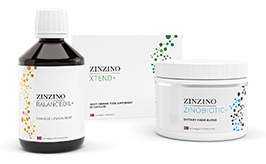
Sélectionnez

Afghanistan
Afrique du Sud
Albanie
Algérie
Allemagne
Andorre
Angola
Anguilla
Antarctique
Antigua-et-Barbuda
Antilles néerlandaises
Arabie saoudite
Argentine
Arménie
Aruba
Australie
Autriche
Azerbaïdjan
Bahamas
Bahreïn
Bangladesh
Barbade
Belgique
Belize
Bénin
Bermudes
Bhoutan
Biélorussie
Bolivie
Bosnie-Herzégovine
Botswana
Brésil
Brunéi Darussalam
Bulgarie
Burkina Faso
Burundi
Cambodge
Cameroun
Canada
Cap-Vert
Chili
Chine
Chine, région administrative spéciale de Macao
Chypre
Colombie
Comores
Congo
Costa Rica
Côte d’Ivoire
Croatie
Cuba
Curaçao
Danemark
Djibouti
Dominique
Égypte
El Salvador
Émirats arabes unis
Équateur
Érythrée
Espagne
Estonie
Eswatini
États-Unis d’Amérique
Éthiopie
Fédération de Russie
Fidji
Finlande
France
Gabon
Gambie
Géorgie
Ghana
Gibraltar
Grèce
Grenade
Groenland
Guam
Guatemala
Guinée
Guinée équatoriale
Guinée-Bissau
Guyana
Haïti
Honduras
Hong Kong
Hongrie
Île Christmas
Île de Man
Îles Caïmans
Îles Cook
Îles des Cocos (Keeling)
Îles Falkland (Malvinas)
Îles Féroé
Îles Mariannes du Nord
Îles Marshall
Îles Salomon
Îles Turks-et-Caicos
Îles Vierges américaines
Îles Vierges britanniques
Îles Wallis-et-Futuna
Inde
Indonésie
Iran (République islamique d’)
Iraq
Irlande
Islande
Israël
Italie
Jamaïque
Japon
Jordanie
Kazakhstan
Kenya
Kirghizstan
Kiribati
Kosovo
Koweït
Lesotho
Lettonie
Liban
Liberia
Libye
Liechtenstein
Lituanie
Luxembourg
Macédoine du Nord
Madagascar
Malaisie
Malawi
Maldives
Mali
Malte
Maroc
Maurice
Mauritanie
Mayotte
Mexique
Micronésie (États fédérés de)
Monaco
Mongolie
Monténégro
Montserrat
Mozambique
Myanmar
Namibie
Nauru
Népal
Nicaragua
Niger
Nigéria
Nioué
Norvège
Nouvelle-Calédonie
Nouvelle-Zélande
Oman
Ouganda
Ouzbékistan
Pakistan
Palaos
Panama
Papouasie - Nouvelle-Guinée
Paraguay
Pays-Bas
Pérou
Philippines
Pitcairn
Pologne
Polynésie française
Porto Rico
Portugal
Qatar
République arabe syrienne
République centrafricaine
République de Corée
République de Moldavie
République démocratique du Congo
République dominicaine
République-Unie de Tanzanie
Roumanie
Royaume-Uni
Rwanda
Saint-Kitts-et-Nevis
Saint-Marin
Saint-Pierre-et-Miquelon
Saint-Siège
Saint-Vincent-et-les Grenadines
Sainte-Hélène
Sainte-Lucie
Samoa
Samoa américaines
Sao Tomé-et-Principe
Sénégal
Serbie
Seychelles
Sierra Leone
Singapour
Slovaquie
Slovénie
Somalie
Soudan
Sri Lanka
Suède
Suisse
Suriname
Tadjikistan
Taïwan
Tchad
Tchéquie
Thaïlande
Timor-Leste
Togo
Tokélaou
Tonga
Trinité-et-Tobago
Tunisie
Turkménistan
Turquie
Tuvalu
Ukraine
Uruguay
Vanuatu
Venezuela (République bolivarienne du)
Viet Nam
Yémen
Zambie
Zimbabwe
Retour Retour
 Retour
Retour
Retour
Retour
Retour
Retour
Retour
Retour
Retour
 Retour
Date:
Pays:
Sexe:
Retour
Retour
Date:
Pays:
Sexe:
Retour
Retour
Retour
Retour
Retour
Retour
Retour
Retour
Retour
Retour
Retour
Retour
Retour
Retour
Retour
Retour
Retour
Adresse e-mail
Numéro de téléphone portable
 Retour

-
-
-
-
-
-
-
-
-
BalanceTest de Zinzino
-
Vitamin D Test
-
-
-
-
-
-
-
-
-
-
-
-
-
-
-

Nous sommes vraiment désolés!
Votre formulaire a déjà été envoyé.
Si vous avez d’autres questions, veuillez contacter l’Assistance client
Customer support
Votre échantillon contenait trop peu de sang
Votre échantillon ne se trouvait pas dans l’enveloppe

 zinzino.com

Saisissez votre code de test

 id:
id:
Pays:
Sexe:
Âge:
BalanceOil:
Autre Oméga-3:
BalanceOil AquaX:
BalanceOil Vegan:
Essent: