更改测试 ID

更改测试 ID
更改测试 ID
更改测试 ID
Loading...

我们开始吧!

跳过
您的结果是:
我们将向您展示更多信息…
跳过
您确定吗?
步骤 1 / 5
您来自哪个国家/地区?
选择

Andorra
不丹
东帝汶
中国
中国台湾
中国澳门
中国香港
中非共和国
丹麦
乌克兰
乌兹别克斯坦
乌干达
乌拉圭
乍得
也门
亚美尼亚
以色列
伊拉克
伊朗伊斯兰共和国
伯利兹
佛得角
俄罗斯联邦
保加利亚
克罗地亚
关岛
冈比亚
冰岛
几内亚
几内亚比绍
列支敦士登
刚果
刚果民主共和国
利比亚
利比里亚
前南斯拉夫的马其顿共和国
加拿大
加纳
加蓬
匈牙利
北马里亚纳群岛
南极洲
南非
卡塔尔
卢旺达
卢森堡
印度
印度尼西亚
危地马拉
厄瓜多尔
厄立特里亚
古巴
吉尔吉斯斯坦
吉布提
哈萨克斯坦
哥伦比亚
哥斯达黎加
喀麦隆
图瓦卢
土库曼斯坦
土耳其
圣卢西亚
圣基茨和尼维斯
圣多美和普林西比
圣座(梵蒂冈城国)
圣文森特和格林纳丁斯
圣皮埃尔和密克隆
圣诞岛
圣赫勒拿
圣马力诺
圭亚那
坦桑尼亚联合共和国
埃及
埃塞俄比亚
基里巴斯
塔吉克斯坦
塞内加尔
塞尔维亚
塞拉利昂
塞浦路斯
塞舌尔
墨西哥
多哥
多米尼克
多米尼加共和国
奥地利
委内瑞拉
孟加拉
安哥拉
安圭拉
安提瓜和巴布达
密克罗尼西亚联邦
尼加拉瓜
尼日利亚
尼日尔
尼泊尔
巴哈马
巴基斯坦
巴巴多斯
巴布亚新几内亚
巴拉圭
巴拿马
巴林
巴西
布基纳法索
布隆迪
希腊
帕劳
库克群岛
库拉索岛
开曼群岛
德国
意大利
所罗门群岛
托克劳
拉脱维亚
挪威
捷克共和国
摩尔多瓦共和国
摩洛哥
摩纳哥
文莱达鲁萨兰国
斐济
斯威士兰
斯洛伐克
斯洛文尼亚
斯里兰卡
新加坡
新喀里多尼亚
新西兰
日本
智利
柬埔寨
格林纳达
格陵兰
格鲁吉亚
比利时
毛里塔尼亚
毛里求斯
汤加
沙特阿拉伯
法国
法属波利尼西亚
法罗群岛
波兰
波多黎各
波斯尼亚和黑塞哥维那
波札那
泰国
津巴布韦
洪都拉斯
海地
澳大利亚
爱尔兰
爱沙尼亚
牙买加
特克斯和凯科斯群岛
特立尼达和多巴哥
玻利维亚
瑙鲁
瑞典
瑞士
瓦利斯和富图纳
瓦努阿图
白俄罗斯
百慕大
皮特凯恩群岛
直布罗陀
福克兰群岛(马尔维纳斯群岛)
科威特
科摩罗
科特迪瓦
科科斯(基林)群岛
科索沃
秘鲁
突尼斯
立陶宛
索马里
约旦
纳米比亚
纽埃
缅甸
罗马尼亚
美国
美属维尔京群岛
美属萨摩亚
肯尼亚
芬兰
苏丹
苏里南
英国
英属维尔京群岛
荷兰
荷属安地列斯群岛
莫桑比克
莱索托
菲律宾
萨尔瓦多
萨摩亚
葡萄牙
蒙古
蒙塞拉特岛
西班牙
贝宁
赞比亚
赤道几内亚
越南
阿塞拜疆
阿富汗
阿尔及利亚
阿尔巴尼亚
阿拉伯叙利亚共和国
阿拉伯联合酋长国
阿曼
阿根廷
阿鲁巴
韩国
马尔代夫
马恩岛
马拉维
马来西亚
马约
马绍尔群岛
马耳他
马达加斯加
马里
黎巴嫩
黑山
返回
下一步 
步骤 2 / 5
请输入您的年龄、体重和身高
 请注意,正确的年龄对于获得正确的结果很重要。儿童与成人有不同的参照。返回
下一步
步骤 3 / 5
请选择您的性别
女性
男性
其他
返回
下一步
步骤 3 a / 7
您目前是否怀孕或正在纯母乳喂养?
否
是,已怀孕
是,完全母乳喂养
不希望透露
 返回
返回
下一步 
步骤 3 b / 7
您处于怀孕的哪个月份?
1-3 个月
4-6 个月
7-9 个月
返回
下一步
步骤 4 / 5
您最近是否服用过欧米茄-3 补充剂?
否
是,时间短
是,超过 120 天
返回
下一步
步骤 5 / 7
哪个选项最能说明您的饮食习惯?
返回
下一步
步骤 6 / 8
Join Our Groundbreaking Test-Based Nutrition Study!
Yes, I consent
No, I do not consent
返回
下一步
步骤 5a / 8
Thank you for your interest and for playing a vital role in advancing nutrition research!
Have you been taking Xtend or Xtend+, according to the recommended dose (at least 2 tablets per day), for at least the past 2 weeks?
Yes
No
返回
下一步
步骤 5b / 8
Have you been taking Zinobiotic+ according to the recommended dosage (2 scoops per day) for at least the past 2 weeks?
Yes
No
返回
下一步
步骤 5C / 8
How would you describe your BalanceOil+ consumption over the past 120 days?
I take the recommended amount (0.15 ml per kg of body weight) or more, 5-7 days a week
I take less than the recommended amount, or take it less frequently than 5 days a week
I don’t take BalanceOil+
返回
下一步
步骤 5D / 8
Over the next 30 days, do you plan to maintain the same consumption pattern for your Zinzino Health Protocol products as you reported above? (For example, if you currently do not use a product, select 'Yes' if you plan to continue not using it.)"
Yes, I will continue as reported.
No, I plan to change my current pattern.
Unsure
返回
下一步
步骤 5E / 8
Have you taken antibiotics in the past month?
Yes
No
返回
下一步
步骤 5F / 8
Have you taken laxatives in the past month?
Yes
No
返回
下一步
步骤 5G / 8
Please provide your email and address below so we can contact you and send out test-kits if you are selected for the study.
返回
下一步
步骤 5 / 5
匿名检测数据的所有权和使用
步骤 4a / 5
什么样的 Omega-3 补充剂?
植物性平衡油
BalanceOil+ Premium
水溶性平衡油
平衡油+
Essent+(软胶囊)
其他 Omega-3 补充剂
返回
下一步
我们开始吧!
跳过
 完全不会。所有血液样本均由可信的第三方匿名处理,并严格保密。您在这里给出的回答仅用于统计目的,以帮助我们的科学家在开发产品时更好地了解饮食和生活方式对健康的影响。
您确定吗?
步骤 1 / 6
您来自哪个国家/地区?
选择

Andorra
不丹
东帝汶
中国
中国台湾
中国澳门
中国香港
中非共和国
丹麦
乌克兰
乌兹别克斯坦
乌干达
乌拉圭
乍得
也门
亚美尼亚
以色列
伊拉克
伊朗伊斯兰共和国
伯利兹
佛得角
俄罗斯联邦
保加利亚
克罗地亚
关岛
冈比亚
冰岛
几内亚
几内亚比绍
列支敦士登
刚果
刚果民主共和国
利比亚
利比里亚
前南斯拉夫的马其顿共和国
加拿大
加纳
加蓬
匈牙利
北马里亚纳群岛
南极洲
南非
卡塔尔
卢旺达
卢森堡
印度
印度尼西亚
危地马拉
厄瓜多尔
厄立特里亚
古巴
吉尔吉斯斯坦
吉布提
哈萨克斯坦
哥伦比亚
哥斯达黎加
喀麦隆
图瓦卢
土库曼斯坦
土耳其
圣卢西亚
圣基茨和尼维斯
圣多美和普林西比
圣座(梵蒂冈城国)
圣文森特和格林纳丁斯
圣皮埃尔和密克隆
圣诞岛
圣赫勒拿
圣马力诺
圭亚那
坦桑尼亚联合共和国
埃及
埃塞俄比亚
基里巴斯
塔吉克斯坦
塞内加尔
塞尔维亚
塞拉利昂
塞浦路斯
塞舌尔
墨西哥
多哥
多米尼克
多米尼加共和国
奥地利
委内瑞拉
孟加拉
安哥拉
安圭拉
安提瓜和巴布达
密克罗尼西亚联邦
尼加拉瓜
尼日利亚
尼日尔
尼泊尔
巴哈马
巴基斯坦
巴巴多斯
巴布亚新几内亚
巴拉圭
巴拿马
巴林
巴西
布基纳法索
布隆迪
希腊
帕劳
库克群岛
库拉索岛
开曼群岛
德国
意大利
所罗门群岛
托克劳
拉脱维亚
挪威
捷克共和国
摩尔多瓦共和国
摩洛哥
摩纳哥
文莱达鲁萨兰国
斐济
斯威士兰
斯洛伐克
斯洛文尼亚
斯里兰卡
新加坡
新喀里多尼亚
新西兰
日本
智利
柬埔寨
格林纳达
格陵兰
格鲁吉亚
比利时
毛里塔尼亚
毛里求斯
汤加
沙特阿拉伯
法国
法属波利尼西亚
法罗群岛
波兰
波多黎各
波斯尼亚和黑塞哥维那
波札那
泰国
津巴布韦
洪都拉斯
海地
澳大利亚
爱尔兰
爱沙尼亚
牙买加
特克斯和凯科斯群岛
特立尼达和多巴哥
玻利维亚
瑙鲁
瑞典
瑞士
瓦利斯和富图纳
瓦努阿图
白俄罗斯
百慕大
皮特凯恩群岛
直布罗陀
福克兰群岛(马尔维纳斯群岛)
科威特
科摩罗
科特迪瓦
科科斯(基林)群岛
科索沃
秘鲁
突尼斯
立陶宛
索马里
约旦
纳米比亚
纽埃
缅甸
罗马尼亚
美国
美属维尔京群岛
美属萨摩亚
肯尼亚
芬兰
苏丹
苏里南
英国
英属维尔京群岛
荷兰
荷属安地列斯群岛
莫桑比克
莱索托
菲律宾
萨尔瓦多
萨摩亚
葡萄牙
蒙古
蒙塞拉特岛
西班牙
贝宁
赞比亚
赤道几内亚
越南
阿塞拜疆
阿富汗
阿尔及利亚
阿尔巴尼亚
阿拉伯叙利亚共和国
阿拉伯联合酋长国
阿曼
阿根廷
阿鲁巴
韩国
马尔代夫
马恩岛
马拉维
马来西亚
马约
马绍尔群岛
马耳他
马达加斯加
马里
黎巴嫩
黑山
返回
下一步
步骤 2 / 6
请输入您的年龄、体重和身高
请注意,正确的年龄对于获得正确的结果很重要。儿童与成人有不同的参照。返回
下一步
步骤 3 / 6
请选择您的性别
女性
男性
其他
返回
下一步
步骤 3 a / 6
您目前是否怀孕或正在纯母乳喂养?
否
是,已怀孕
是,完全母乳喂养
不希望透露
返回
下一步
步骤 3 b / 6
您处于怀孕的哪个月份?
1-3 个月
4-6 个月
7-9 个月
返回
下一步
步骤 4 / 6
您最近是否服用过欧米茄-3 补充剂?
否
是,时间短
是,超过 120 天
返回
下一步
步骤 5 / 6
哪个选项最能说明您的饮食习惯?
返回
下一步
步骤 6 / 6
Join Our Groundbreaking Test-Based Nutrition Study!
Yes, I consent
No, I do not consent
返回
下一步
步骤 5a / 6
Thank you for your interest and for playing a vital role in advancing nutrition research!
Have you been taking Xtend or Xtend+, according to the recommended dose (at least 2 tablets per day), for at least the past 2 weeks?
Yes
No
返回
下一步
步骤 5b / 6
Have you been taking Zinobiotic+ according to the recommended dosage (2 scoops per day) for at least the past 2 weeks?
Yes
No
返回
下一步
步骤 5C / 6
How would you describe your BalanceOil+ consumption over the past 120 days?
I take the recommended amount (0.15 ml per kg of body weight) or more, 5-7 days a week
I take less than the recommended amount, or take it less frequently than 5 days a week
I don’t take BalanceOil+
返回
下一步
步骤 5D / 6
Over the next 30 days, do you plan to maintain the same consumption pattern for your Zinzino Health Protocol products as you reported above? (For example, if you currently do not use a product, select 'Yes' if you plan to continue not using it.)"
Yes, I will continue as reported.
No, I plan to change my current pattern.
Unsure
返回
下一步
步骤 5E / 6
Have you taken antibiotics in the past month?
Yes
No
返回
下一步
步骤 5F / 6
Have you taken laxatives in the past month?
Yes
No
返回
下一步
步骤 5G / 6
Please provide your email and address below so we can contact you and send out test-kits if you are selected for the study.
返回
下一步
步骤 6 / 6
您是否希望在您的检测结果出来后收到通知?
返回
下一步
步骤 7 / 6
匿名检测数据的所有权和使用
步骤 4 a / 6
什么样的 Omega-3 补充剂?
植物性平衡油
BalanceOil+ Premium
水溶性平衡油
平衡油+
Essent+(软胶囊)
其他 Omega-3 补充剂
返回
下一步
您的检测结果尚未出来
感谢您的回答!
非常抱歉!
您的表格已发送。
如有更多问题,请联系客户支持
您的样本中血液太少
您的样本不在信封中
我们开始吧!
跳过
完全不会!如果您不想在获得维生素 D 状况之前回答问题,则可以选择跳过此步骤。
您确定吗?
步骤 1 / 7
您来自哪个国家/地区?
选择
Afghanistan
Albania
Algeria
American Samoa
Andorra
Angola
Anguilla
Antarctica
Antigua And Barbuda
Argentina
Armenia
Aruba
Australia
Austria
Azerbaijan
Bahamas
Bahrain
Bangladesh
Barbados
Belarus
Belgium
Belize
Benin
Bermuda
Bhutan
Bolivia
Bosnia And Herzegovina
Botswana
Brazil
Brunei Darussalam
Bulgaria
Burkina Faso
Burundi
Cambodia
Cameroon
Canada
Cape Verde
Cayman Islands
Central African Republic
Chad
Chile
China
Christmas Island
Cocos (Keeling) Islands
Colombia
Comoros
Congo
Congo, The Democratic Republic Of The
Cook Islands
Costa Rica
Croatia
Cuba
Curaçao
Cyprus
Czech Republic
Denmark
Djibouti
Dominica
Dominican Republic
Ecuador
Egypt
El Salvador
Equatorial Guinea
Eritrea
Estonia
Ethiopia
Falkland Islands (Malvinas)
Faroe Islands
Fiji
Finland
France
French Polynesia
Gabon
Gambia
Georgia
Germany
Ghana
Gibraltar
Greece
Greenland
Grenada
Guam
Guatemala
Guinea
Guinea-Bissau
Guyana
Haiti
Holy See (Vatican City State)
Honduras
Hong Kong
Hungary
Iceland
India
Indonesia
Iran, Islamic Republic Of
Iraq
Ireland
Isle of Man
Israel
Italy
Ivory Coast
Jamaica
Japan
Jordan
Kazakhstan
Kenya
Kiribati
Korea, Republic Of
Kosovo
Kuwait
Kyrgyzstan
Latvia
Lebanon
Lesotho
Liberia
Libyan Arab Jamahiriya
Liechtenstein
Lithuania
Luxembourg
Macao
Macedonia, The Former Yugoslav Republic Of
Madagascar
Malawi
Malaysia
Maldives
Mali
Malta
Marshall Islands
Mauritania
Mauritius
Mayotte
Mexico
Micronesia, Federated States Of
Moldova, Republic Of
Monaco
Mongolia
Montenegro
Montserrat
Morocco
Mozambique
Myanmar
Namibia
Nauru
Nepal
Netherlands
Netherlands Antilles
New Caledonia
New Zealand
Nicaragua
Niger
Nigeria
Niue
Northern Mariana Islands
Norway
Oman
Pakistan
Palau
Panama
Papua New Guinea
Paraguay
Peru
Philippines
Pitcairn
Poland
Portugal
Puerto Rico
Qatar
Romania
Russian Federation
Rwanda
Saint Helena
Saint Kitts And Nevis
Saint Lucia
Saint Pierre And Miquelon
Saint Vincent And The Grenadines
Samoa
San Marino
Sao Tome And Principe
Saudi Arabia
Senegal
Serbia
Seychelles
Sierra Leone
Singapore
Slovakia
Slovenia
Solomon Islands
Somalia
South Africa
Spain
Sri Lanka
Sudan
Suriname
Swaziland
Sweden
Switzerland
Syrian Arab Republic
Taiwan
Tajikistan
Tanzania, United Republic Of
Thailand
Timor-Leste
Togo
Tokelau
Tonga
Trinidad And Tobago
Tunisia
Turkey
Turkmenistan
Turks And Caicos Islands
Tuvalu
Uganda
Ukraine
United Arab Emirates
United Kingdom
United States
Uruguay
Uzbekistan
Vanuatu
Venezuela
Viet Nam
Virgin Islands, British
Virgin Islands, U.S.
Wallis And Futuna
Yemen
Zambia
Zimbabwe
返回
下一步
步骤 2 / 7
请输入您的年龄、体重和身高
返回
下一步
步骤 3 / 7
请选择您的性别
女性
男性
其他
返回
下一步
步骤 4 / 7
您最近是否服用过任何含维生素 D 的补充剂?
是
否
返回
下一步
步骤 5 / 7
哪个选项最能说明您的饮食习惯?
返回
下一步
步骤 6 / 7
您之前是否接受过任何 Zinzino Vitamin D Test?
是
否
返回
下一步
我们需要您的帮助
是的,我想参加
不,谢谢
返回
下一步
步骤 6 / 7
您是否希望在您的检测结果出来后收到通知?
返回
下一步
步骤 1 / 3
请输入您之前的 Vitamin D Test ID
代码不正确,请重试。
nmol/L
日期:
国家/地区:
性别:
返回
下一步
步骤 2 / 3
请输入自上次检测以来您的每日剂量是否有任何变化?
请填写您维生素 D 补充剂的增加或减少量
ZinoShine+ (标签)
-
+
综合营养素/综合营养素+ (标签)
-
+
植物性/平衡油/AquaX (Ml)
-
+
Protect+ (胶囊)
-
+
Essent+(软胶囊) (胶囊)
-
+
来自其他供应商 (微克)
-
+
返回
下一步
步骤 3 / 3
您多久服用一次补充剂?
ZinoShine+
每周天数
0
7
综合营养素/综合营养素+
每周天数
0
7
植物性/平衡油/AquaX
每周天数
0
7
Protect+
每周天数
0
7
Essent+(软胶囊)
每周天数
0
7
其他供应商
每周天数
0
7
返回
下一步
步骤 7 / 7
匿名检测数据的所有权和使用
步骤 6b / 7
启用通知
跳过
电子邮件地址


手机号码
返回
下一步
步骤 5 / 6
选择产品
| ZinoShine+ |
0
|
/每周次数 |
| 综合营养素/综合营养素+ |
0
|
/每周次数 |
| 植物性/平衡油/AquaX |
0
|
/每周次数 |
| Protect+ |
0
|
/每周次数 |
| Essent+(软胶囊) |
0
|
/每周次数 |
| 来自其他供应商 - /每周次数 |
0
|
/每周次数 |
返回
下一步
您的结果是:
您的维生素 D 水平


我们将向您展示更多信息…
跳过
您的检测结果尚未出来
感谢您的回答!
我们开始吧!
跳过
完全不会!如果您不想在获得维生素 D 状况之前回答问题,则可以选择跳过此步骤。
您确定吗?
步骤 1 / 7
您来自哪个国家/地区?
选择
Afghanistan
Albania
Algeria
American Samoa
Andorra
Angola
Anguilla
Antarctica
Antigua And Barbuda
Argentina
Armenia
Aruba
Australia
Austria
Azerbaijan
Bahamas
Bahrain
Bangladesh
Barbados
Belarus
Belgium
Belize
Benin
Bermuda
Bhutan
Bolivia
Bosnia And Herzegovina
Botswana
Brazil
Brunei Darussalam
Bulgaria
Burkina Faso
Burundi
Cambodia
Cameroon
Canada
Cape Verde
Cayman Islands
Central African Republic
Chad
Chile
China
Christmas Island
Cocos (Keeling) Islands
Colombia
Comoros
Congo
Congo, The Democratic Republic Of The
Cook Islands
Costa Rica
Croatia
Cuba
Curaçao
Cyprus
Czech Republic
Denmark
Djibouti
Dominica
Dominican Republic
Ecuador
Egypt
El Salvador
Equatorial Guinea
Eritrea
Estonia
Ethiopia
Falkland Islands (Malvinas)
Faroe Islands
Fiji
Finland
France
French Polynesia
Gabon
Gambia
Georgia
Germany
Ghana
Gibraltar
Greece
Greenland
Grenada
Guam
Guatemala
Guinea
Guinea-Bissau
Guyana
Haiti
Holy See (Vatican City State)
Honduras
Hong Kong
Hungary
Iceland
India
Indonesia
Iran, Islamic Republic Of
Iraq
Ireland
Isle of Man
Israel
Italy
Ivory Coast
Jamaica
Japan
Jordan
Kazakhstan
Kenya
Kiribati
Korea, Republic Of
Kosovo
Kuwait
Kyrgyzstan
Latvia
Lebanon
Lesotho
Liberia
Libyan Arab Jamahiriya
Liechtenstein
Lithuania
Luxembourg
Macao
Macedonia, The Former Yugoslav Republic Of
Madagascar
Malawi
Malaysia
Maldives
Mali
Malta
Marshall Islands
Mauritania
Mauritius
Mayotte
Mexico
Micronesia, Federated States Of
Moldova, Republic Of
Monaco
Mongolia
Montenegro
Montserrat
Morocco
Mozambique
Myanmar
Namibia
Nauru
Nepal
Netherlands
Netherlands Antilles
New Caledonia
New Zealand
Nicaragua
Niger
Nigeria
Niue
Northern Mariana Islands
Norway
Oman
Pakistan
Palau
Panama
Papua New Guinea
Paraguay
Peru
Philippines
Pitcairn
Poland
Portugal
Puerto Rico
Qatar
Romania
Russian Federation
Rwanda
Saint Helena
Saint Kitts And Nevis
Saint Lucia
Saint Pierre And Miquelon
Saint Vincent And The Grenadines
Samoa
San Marino
Sao Tome And Principe
Saudi Arabia
Senegal
Serbia
Seychelles
Sierra Leone
Singapore
Slovakia
Slovenia
Solomon Islands
Somalia
South Africa
Spain
Sri Lanka
Sudan
Suriname
Swaziland
Sweden
Switzerland
Syrian Arab Republic
Taiwan
Tajikistan
Tanzania, United Republic Of
Thailand
Timor-Leste
Togo
Tokelau
Tonga
Trinidad And Tobago
Tunisia
Turkey
Turkmenistan
Turks And Caicos Islands
Tuvalu
Uganda
Ukraine
United Arab Emirates
United Kingdom
United States
Uruguay
Uzbekistan
Vanuatu
Venezuela
Viet Nam
Virgin Islands, British
Virgin Islands, U.S.
Wallis And Futuna
Yemen
Zambia
Zimbabwe
返回
下一步
步骤 2 / 7
请输入您的年龄、体重和身高
返回
下一步
步骤 3 / 7
请选择您的性别
女性
男性
其他
返回
下一步
步骤 4 / 7
您最近是否服用过任何含维生素 D 的补充剂?
是
否
返回
下一步
步骤 5 / 7
哪个选项最能说明您的饮食习惯?
返回
下一步
步骤 6 / 7
您之前是否接受过任何 Zinzino Vitamin D Test?
是
否
返回
下一步
我们需要您的帮助
是的,我想参加
不,谢谢
返回
下一步
步骤 6 / 7
您是否希望在您的检测结果出来后收到通知?
返回
下一步
步骤 1 / 3
请输入您之前的 Vitamin D Test ID
代码不正确,请重试。
nmol/L
日期:
国家/地区:
性别:
返回
下一步
步骤 2 / 3
请输入自上次检测以来您的每日剂量是否有任何变化?
请填写您维生素 D 补充剂的增加或减少量
ZinoShine+ (标签)
-
+
综合营养素/综合营养素+ (标签)
-
+
植物性/平衡油/AquaX (Ml)
-
+
Protect+ (胶囊)
-
+
Essent+(软胶囊) (胶囊)
-
+
来自其他供应商 (微克)
-
+
返回
下一步
步骤 3 / 3
您多久服用一次补充剂?
ZinoShine+
每周天数
0
7
综合营养素/综合营养素+
每周天数
0
7
植物性/平衡油/AquaX
每周天数
0
7
Protect+
每周天数
0
7
Essent+(软胶囊)
每周天数
0
7
其他供应商
每周天数
0
7
返回
下一步
步骤 7 / 7
匿名检测数据的所有权和使用
步骤 6b / 7
启用通知
跳过
电子邮件地址
手机号码
返回
下一步
步骤 5 / 6
选择产品
| ZinoShine+ |
0
|
/每周次数 |
| 综合营养素/综合营养素+ |
0
|
/每周次数 |
| 植物性/平衡油/AquaX |
0
|
/每周次数 |
| Protect+ |
0
|
/每周次数 |
| Essent+(软胶囊) |
0
|
/每周次数 |
| 来自其他供应商 - /每周次数 |
0
|
/每周次数 |
返回
下一步
您的结果是:
您的维生素 D 水平
我们将向您展示更多信息…
跳过
您的检测结果尚未出来
感谢您的回答!
非常抱歉!
您的表格已发送。
如有更多问题,请联系客户支持
您的样本中血液太少
您的样本不在信封中
我们开始吧!
您的测试已准备就绪
您确定吗?
您来自哪个国家/地区?
选择国家

Andorra
不丹
东帝汶
中国
中国台湾
中国澳门
中国香港
中非共和国
丹麦
乌克兰
乌兹别克斯坦
乌干达
乌拉圭
乍得
也门
亚美尼亚
以色列
伊拉克
伊朗伊斯兰共和国
伯利兹
佛得角
俄罗斯联邦
保加利亚
克罗地亚
关岛
冈比亚
冰岛
几内亚
几内亚比绍
列支敦士登
刚果
刚果民主共和国
利比亚
利比里亚
前南斯拉夫的马其顿共和国
加拿大
加纳
加蓬
匈牙利
北马里亚纳群岛
南极洲
南非
卡塔尔
卢旺达
卢森堡
印度
印度尼西亚
危地马拉
厄瓜多尔
厄立特里亚
古巴
吉尔吉斯斯坦
吉布提
哈萨克斯坦
哥伦比亚
哥斯达黎加
喀麦隆
图瓦卢
土库曼斯坦
土耳其
圣卢西亚
圣基茨和尼维斯
圣多美和普林西比
圣座(梵蒂冈城国)
圣文森特和格林纳丁斯
圣皮埃尔和密克隆
圣诞岛
圣赫勒拿
圣马力诺
圭亚那
坦桑尼亚联合共和国
埃及
埃塞俄比亚
基里巴斯
塔吉克斯坦
塞内加尔
塞尔维亚
塞拉利昂
塞浦路斯
塞舌尔
墨西哥
多哥
多米尼克
多米尼加共和国
奥地利
委内瑞拉
孟加拉
安哥拉
安圭拉
安提瓜和巴布达
密克罗尼西亚联邦
尼加拉瓜
尼日利亚
尼日尔
尼泊尔
巴哈马
巴基斯坦
巴巴多斯
巴布亚新几内亚
巴拉圭
巴拿马
巴林
巴西
布基纳法索
布隆迪
希腊
帕劳
库克群岛
库拉索岛
开曼群岛
德国
意大利
所罗门群岛
托克劳
拉脱维亚
挪威
捷克共和国
摩尔多瓦共和国
摩洛哥
摩纳哥
文莱达鲁萨兰国
斐济
斯威士兰
斯洛伐克
斯洛文尼亚
斯里兰卡
新加坡
新喀里多尼亚
新西兰
日本
智利
柬埔寨
格林纳达
格陵兰
格鲁吉亚
比利时
毛里塔尼亚
毛里求斯
汤加
沙特阿拉伯
法国
法属波利尼西亚
法罗群岛
波兰
波多黎各
波斯尼亚和黑塞哥维那
波札那
泰国
津巴布韦
洪都拉斯
海地
澳大利亚
爱尔兰
爱沙尼亚
牙买加
特克斯和凯科斯群岛
特立尼达和多巴哥
玻利维亚
瑙鲁
瑞典
瑞士
瓦利斯和富图纳
瓦努阿图
白俄罗斯
百慕大
皮特凯恩群岛
直布罗陀
福克兰群岛(马尔维纳斯群岛)
科威特
科摩罗
科特迪瓦
科科斯(基林)群岛
科索沃
秘鲁
突尼斯
立陶宛
索马里
约旦
纳米比亚
纽埃
缅甸
罗马尼亚
美国
美属维尔京群岛
美属萨摩亚
肯尼亚
芬兰
苏丹
苏里南
英国
英属维尔京群岛
荷兰
荷属安地列斯群岛
莫桑比克
莱索托
菲律宾
萨尔瓦多
萨摩亚
葡萄牙
蒙古
蒙塞拉特岛
西班牙
贝宁
赞比亚
赤道几内亚
越南
阿塞拜疆
阿富汗
阿尔及利亚
阿尔巴尼亚
阿拉伯叙利亚共和国
阿拉伯联合酋长国
阿曼
阿根廷
阿鲁巴
韩国
马尔代夫
马恩岛
马拉维
马来西亚
马约
马绍尔群岛
马耳他
马达加斯加
马里
黎巴嫩
黑山
 上一个
上一个
下一步 
填写您的详细信息
上一个
下一步
出生时的性别
女性
男性
其他
上一个
下一步
您每天摄入多少份富含纤维的食物(如全谷物、豆类、水果、蔬菜)?
0-1 份
2-3 份
4+ 份
上一个
下一步
您目前是否正在服用任何膳食纤维补充剂?
 上一个
上一个
下一步
请告诉我们更多关于您服用 Zinobiotic+ 的情况
您每天食用多少勺?
0
5+
您每周食用它多少天?
0
7
您已经食用该产品多少个月了?
0
12+
上一个
下一步
请详细介绍一下您其他膳食纤维补充剂的使用情况
您每天摄入多少克的纤维?
0
20+
您每周食用它多少天?
0
7
您已经食用该产品多少个月了?
0
12+
上一个
下一步
在过去的 120 天里,您是否一直定期(每周至少 4 天)服用以下任何一种补充剂?
Zinzino 产品
其他品牌
上一个
下一步
您是不是在前一晚禁食(至少 10 小时)后进行检测的?
是
否
非空腹结果
如说明中所述,我们建议在前一晚禁食后进行检测,以获得准确且可比较的结果。
当前结果仍可以提供有用的指向性见解,但具体的临界值和目标范围仅适用于空腹样本。
非空腹状态下获得的检测结果可能更难与下次检测结果进行比较。
上一个
下一步
我们需要您的帮助
您多久食用一次发酵食品(如酸奶、开菲尔、泡菜、含有活菌的泡菜)?
每天
每周几次
偶尔
很少/从不
上一个
下一步
您大多数时候遵循哪种饮食模式?
杂食者(既吃植物性食物,也吃动物性食物)
素食者(不食用肉类,但可能食用鸡蛋/奶制品)。
纯素食者(完全不食用动物制品)。
LCHF / Keto(高脂肪、高蛋白、低碳水化合物)
食肉者(仅食用动物性食物)
吃鱼的素食主义者(除了鱼/海鲜,不吃肉)
地中海饮食者(以植物为主,包含鱼类、橄榄油、少量加工食品)
其他
上一个
下一步
您多久进行一次体育活动(中等或剧烈运动)?
每天
每周几次
偶尔
很少/从不
上一个
下一步
您通常每晚睡眠多少小时?
< 5 小时
5-6 小时
6-7 小时
7-8 小时
> 8 小时
上一个
下一步
您如何描述您当前的压力水平?
感到无法控制重要的事情
从不
几乎从不
有时
相当频繁
非常频繁
感到能够自信地处理个人问题
从不
几乎从不
有时
相当频繁
非常频繁
感到一切都在按照自己的意愿发展
从不
几乎从不
有时
相当频繁
非常频繁
感到难以应对超出自己控制范围的问题
从不
几乎从不
有时
相当频繁
非常频繁
上一个
下一步
在过去的 6 个月里,您是否做过 Zinzino 测试? 在适用的地方填写您的代码
肠道健康检测

检测 ID:
结果:
日期:
国家/地区:
性别:
平衡测试
检测 ID:
结果:
日期:
国家/地区:
性别:
Vitamin D test
检测 ID:
结果:
日期:
国家/地区:
性别:
HbA1C test
检测 ID:
结果:
日期:
国家/地区:
性别:
上一个
下一步
您在过去 14 天内是否患过普通感冒/流感?
是
否
上一个
下一步
您在过去一个月内是否曾患过感染性疾病?
是
否
上一个
下一步
您上一次完成抗生素治疗是什么时候?
< 14 天
15-30 天
1-3 个月
> 3 个月
从未使用过抗生素
上一个
下一步
您是否有任何已确诊的慢性疾病?
上一个
下一步
您目前是否有消化方面的问题?
上一个
下一步
您目前是否怀孕?
是
否
不希望透露
上一个
下一步
通知
 想通过手机接收通知吗?
我们关心您的数据
感谢您的回答!
您的检测结果尚未出来
感谢您的回答!
您的检测结果尚未出来
感谢您的回答!
非常抱歉!
您的表格已发送。
如有更多问题,请联系客户支持
您的样本中血液太少
您的样本不在信封中
Loading...


谢谢!我们已收到您的答复
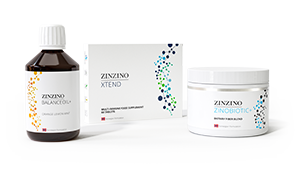
选择

Andorra
不丹
东帝汶
中国
中国台湾
中国澳门
中国香港
中非共和国
丹麦
乌克兰
乌兹别克斯坦
乌干达
乌拉圭
乍得
也门
亚美尼亚
以色列
伊拉克
伊朗伊斯兰共和国
伯利兹
佛得角
俄罗斯联邦
保加利亚
克罗地亚
关岛
冈比亚
冰岛
几内亚
几内亚比绍
列支敦士登
刚果
刚果民主共和国
利比亚
利比里亚
前南斯拉夫的马其顿共和国
加拿大
加纳
加蓬
匈牙利
北马里亚纳群岛
南极洲
南非
卡塔尔
卢旺达
卢森堡
印度
印度尼西亚
危地马拉
厄瓜多尔
厄立特里亚
古巴
吉尔吉斯斯坦
吉布提
哈萨克斯坦
哥伦比亚
哥斯达黎加
喀麦隆
图瓦卢
土库曼斯坦
土耳其
圣卢西亚
圣基茨和尼维斯
圣多美和普林西比
圣座(梵蒂冈城国)
圣文森特和格林纳丁斯
圣皮埃尔和密克隆
圣诞岛
圣赫勒拿
圣马力诺
圭亚那
坦桑尼亚联合共和国
埃及
埃塞俄比亚
基里巴斯
塔吉克斯坦
塞内加尔
塞尔维亚
塞拉利昂
塞浦路斯
塞舌尔
墨西哥
多哥
多米尼克
多米尼加共和国
奥地利
委内瑞拉
孟加拉
安哥拉
安圭拉
安提瓜和巴布达
密克罗尼西亚联邦
尼加拉瓜
尼日利亚
尼日尔
尼泊尔
巴哈马
巴基斯坦
巴巴多斯
巴布亚新几内亚
巴拉圭
巴拿马
巴林
巴西
布基纳法索
布隆迪
希腊
帕劳
库克群岛
库拉索岛
开曼群岛
德国
意大利
所罗门群岛
托克劳
拉脱维亚
挪威
捷克共和国
摩尔多瓦共和国
摩洛哥
摩纳哥
文莱达鲁萨兰国
斐济
斯威士兰
斯洛伐克
斯洛文尼亚
斯里兰卡
新加坡
新喀里多尼亚
新西兰
日本
智利
柬埔寨
格林纳达
格陵兰
格鲁吉亚
比利时
毛里塔尼亚
毛里求斯
汤加
沙特阿拉伯
法国
法属波利尼西亚
法罗群岛
波兰
波多黎各
波斯尼亚和黑塞哥维那
波札那
泰国
津巴布韦
洪都拉斯
海地
澳大利亚
爱尔兰
爱沙尼亚
牙买加
特克斯和凯科斯群岛
特立尼达和多巴哥
玻利维亚
瑙鲁
瑞典
瑞士
瓦利斯和富图纳
瓦努阿图
白俄罗斯
百慕大
皮特凯恩群岛
直布罗陀
福克兰群岛(马尔维纳斯群岛)
科威特
科摩罗
科特迪瓦
科科斯(基林)群岛
科索沃
秘鲁
突尼斯
立陶宛
索马里
约旦
纳米比亚
纽埃
缅甸
罗马尼亚
美国
美属维尔京群岛
美属萨摩亚
肯尼亚
芬兰
苏丹
苏里南
英国
英属维尔京群岛
荷兰
荷属安地列斯群岛
莫桑比克
莱索托
菲律宾
萨尔瓦多
萨摩亚
葡萄牙
蒙古
蒙塞拉特岛
西班牙
贝宁
赞比亚
赤道几内亚
越南
阿塞拜疆
阿富汗
阿尔及利亚
阿尔巴尼亚
阿拉伯叙利亚共和国
阿拉伯联合酋长国
阿曼
阿根廷
阿鲁巴
韩国
马尔代夫
马恩岛
马拉维
马来西亚
马约
马绍尔群岛
马耳他
马达加斯加
马里
黎巴嫩
黑山
上一个 上一个
上一个
 上一个
上一个
上一个
上一个
上一个
上一个
上一个
上一个
上一个
上一个
 上一个
上一个
日期:
国家/地区:
性别:
上一个
上一个
日期:
国家/地区:
性别:
上一个
上一个
上一个
上一个
上一个
上一个
上一个
上一个
上一个
上一个
上一个
上一个
上一个
上一个
上一个
上一个
上一个
电子邮件地址
手机号码
 上一个
上一个

-
-
-
-
-
-
-
-
-
平衡测试
-
Vitamin D Test
-
-
-
-
-
-
-
-
-
-
-
-
-
-
-

非常抱歉!
您的表格已发送。
如有更多问题,请联系客户支持
您的样本中血液太少
您的样本不在信封中

 zinzino.com

输入您的测试 ID

 id:
id:
国家:
性别:
年龄:
BalanceOil:
其他 Omega-3:
BalanceOil AquaX:
BalanceOil Vegan:
Essent:

